


Crosman 1077 Air Rifle

$92.99
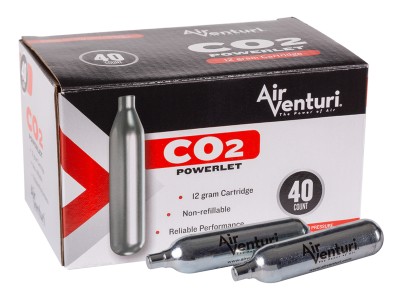
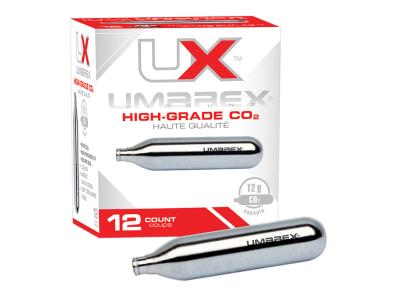
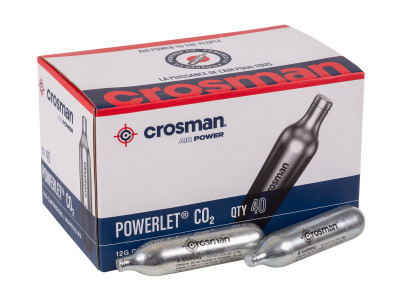
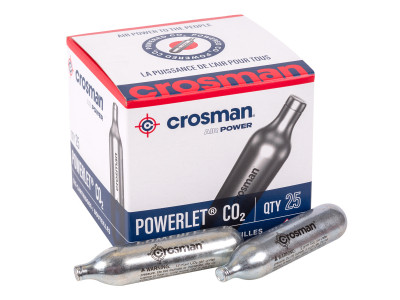
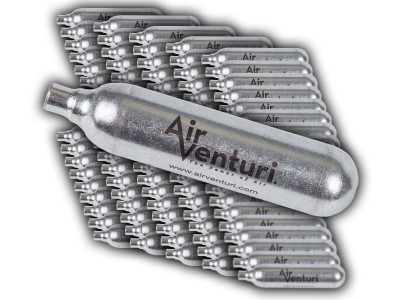
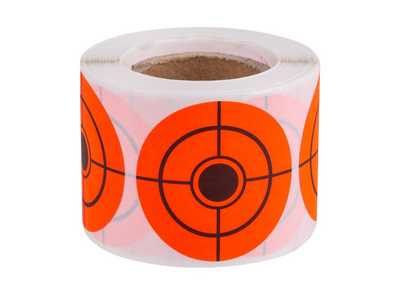
Free with purchase
$12.99 Value
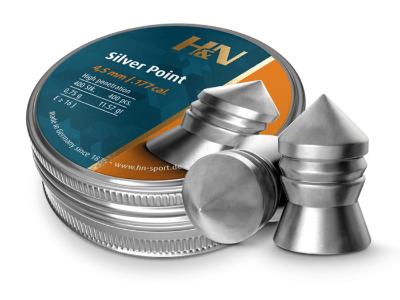
Quantity:
Estimate Shipping
 Earn 93 Bullseye Bucks
Shipped & sold by Pyramyd AIR
1-year limited warranty
60 day money back guarantee
Description
One of the most fun rifles you'll ever shoot! In fact, Crosman's 1077 was chosen for the 2001 Bikathlon Event at the Boy Scout Jamboree.
This 12-shot repeater runs on standard 12-gram CO2 cartridges and fires as fast as you can pull the trigger. The synthetic stock is durable, will stand up to decades of use and features a checkered pistol grip and forearm. It's lightweight, easy to use and will provide hours of fun for the whole family. Low on noise, the 1077 won't disturb those with sensitive ears or alert everyone in the neighborhood that you're shooting.
Just because this is a reasonably priced gun, don't get the idea that it won't hit its mark. It's accurate and will hit its intended target every time if YOU'RE a good shot! The 1077 is an ideal rifle for kids (with adult supervision) and smaller adults.
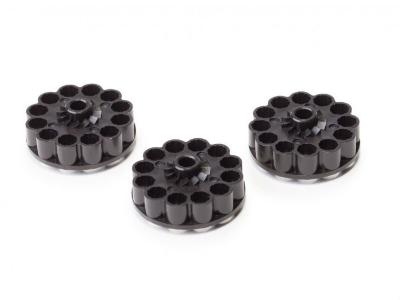
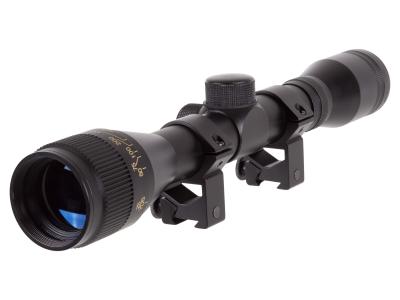
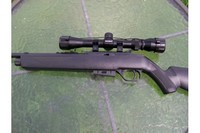
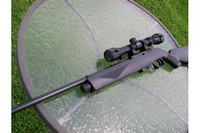
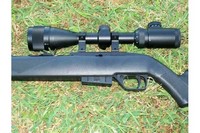
The 12-shot rotary clip is easy to load. For even greater accuracy, you can mount a scope on the 11mm dovetails.
- Shop related categories: pellet guns, pellet rifles
Crosman RepeatAir 1077 CO2 Rifle
- Uses 12-gram CO2 cartridges
- 12rd rotary clip (which is inserted into a box magazine)
- Rifled steel barrel
- Fixed fiber optic front sight
- Rear sight adjustable for windage and elevation
- 11mm optics dovetail
- Ambidextrous synthetic stock
- Single-stage trigger
- Double-action only
- Manual safety
- 625 fps max velocity*
*This is the max velocity with lead pellets. If you shoot as fast as you can pull the trigger, your velocity will be lower. Since CO2 is a refrigerant, you will receive somewhat fewer shots and lower velocities compared with waiting 5-10 seconds between shots. This applies to all CO2 guns.

Specifications
Ballistic & Conversion Calcs




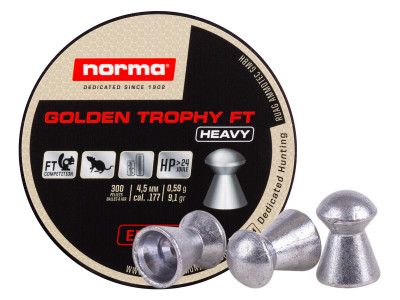

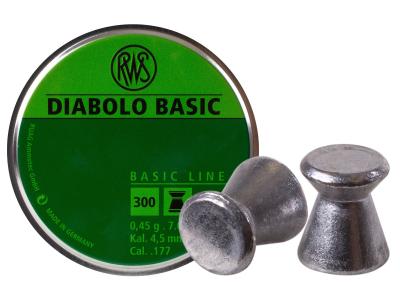
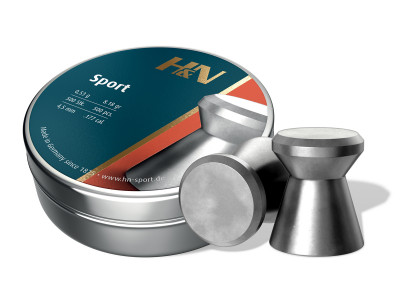
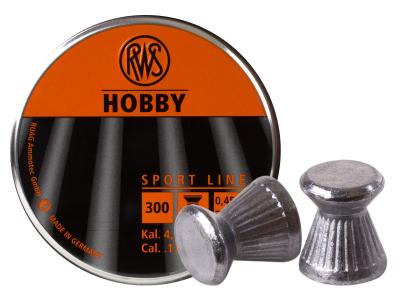
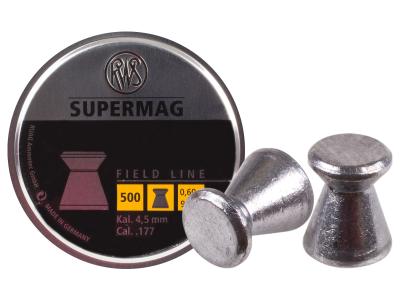
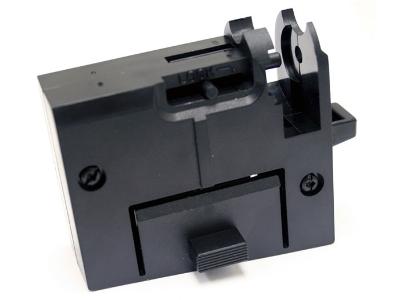
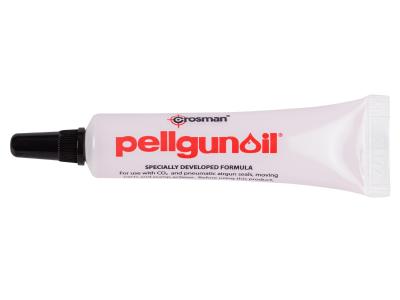


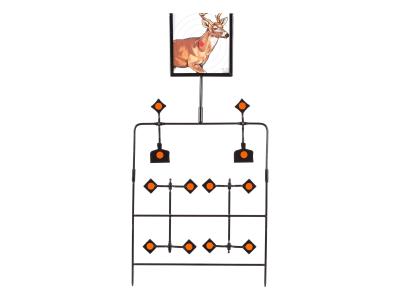

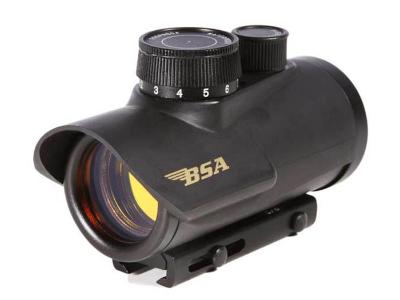
Overall Rating
Review This Product
Tell us what you think

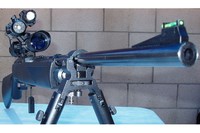
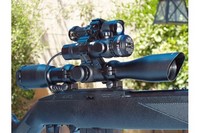

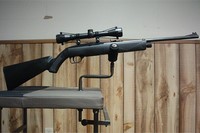

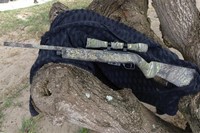


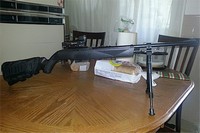
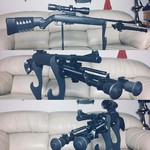
10 of 315 Crosman 1077 Reviews


Not much just you're standard air rifle
Things I Would Have ChangedCO2 cartridges started failing when screwing in within 3 months, then the thing completely failed within 10 months.
What Others Should KnowDo not purchase this POS!
Dec 22, 2024
By Christopher
 Verified Buyer
I love how it only uses 1 CO2 cartridge at a time and easy to load. Fun little plinker for back yard fun.
Things I Would Have ChangedThe mounting rail. need it to not be the smaller 3/8 dovetail. would like to see a modern picatinny rail on top for mounting.
What Others Should KnowYou most likely will need to raise the sights up from the get go

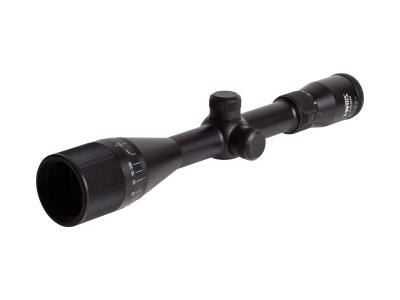
I haven't fired the 1077 yet but it seems well made and the scope I purchased is of decent quality with good optics. It fits on the rifle perfectly. My only complaint is that you need to order CO2 cartridges with this package. They include pellets but you'll need to add the cartridges if you plan on using it when it first arrives. I think this is a major omission by Crosman/Pyramyd.
Things I Would Have ChangedAdd at least one CO2 cartridge so a customer can try it out immediately.
What Others Should KnowI think it's a great value.
It's a fun plinker. I have shot it with a red dot and with a 3X9 scope and it's way more than "beer can accurate". It's not going to be 10M match stack pellets in one hole accurate, but under 1" at 10 yards is easily do-able. Velocity is close to as advertised with midweight and lighter midweight pellets getting your low 600's FPS. I have gotten around 60ish shots with the last mag noticeably dropping off in velocity per 12 gram.
Things I Would Have ChangedAt one point Crosman had a wooden laminated stock variant with a few different color patterns. If I recall correctly there was a green and grey version and a walnut colored variant. I'm sure few people wanted to spend the extra $$ for a laminated stock that effectively doubled the price, but I still wish I would have gotten one when they were available. The trigger is darn heavy though there is a VERY niche aftermarket trigger and linkage setup that really reduced the pull on the two rifles I have. You are effectively running a double action revolver when you pull the trigger. You are rotating the cylinder for the first step and if you pay attention, you can feel the cylinder rotate and then you cock the hammer, then finally the sear breaks. It doesn't lend itself to extreme accuracy or really the accuracy the rifle is capable of if you have a better trigger. Also the way the rifle seals the cylinder between the valve and the barrel is by a bit of pressure, there's that too.
What Others Should KnowBe sure the pellets are seated just below the back edge of the cylinder or you may end up binding the cylinder as you try to shoot. It's a plinker, treat it as such and you should be fine. VERY minor and close pest control is possible, but it's way more "pick an English sparrow off a birdfeeder" level of accuracy than it is a "let's go hunt woodchucks at 50 yards" kind of airgun. You want to smack spinners and flapper targets with an airgun that is accurate enough to do so and not break the targets? It's a fine rifle for that.
Jun 24, 2024
By Scott
Verified Buyer
Very quick shipping from Pyramyd Air. Everything arrived in great condition.
What Others Should KnowThe Crosman 1077 air rifle doesn’t feed pellets reliably. Many times the pellets fall out of the “magazine” and jam the mechanism. I’ve spent more time fiddling around with it to clear the jams than I’ve actually been able to shoot!
seals are terrible, a new cartridge might last a day and you might lose half of it installing it, yes i'm using crosman cartridges, when it works it's very accurate.
Things I Would Have Changedseals
What Others Should Knowdon't buy it unless you're willing to mess with warranty returns
Feb 12, 2024
By Brian
Verified BuyerLight weight, multi shots, somewhat accurate
Things I Would Have ChangedCartridge insert and seal.
What Others Should KnowCartridge seal is horrible and unpredictable. Cartridge oil will clog gun if stored upright.
Everything! This is my second 1077the first I had commented on before. Would not hold air for more than 24 shots. This one (my second) Wow. Good power, good accuracy, ( just using the open sights) smooth repeat function. The Pyramyd Air customer service is second to none. they were able to help me return the gun it was within the 60-day time period for return or exchange.
Things I Would Have ChangedNothing for the price!
What Others Should KnowRead the instructions carefully regarding installing the CO2 canister.
For the price, this is a fun little repeater.
Pyramyd Air Customer Service is the best.
nothing
Things I Would Have Changedfix it so it does not leak air
What Others Should Knowi bought two of these at different times one i returned for a refund i waited to long on the other for the refund. both of them leak air badly unable to fire either.seems like junk to me....
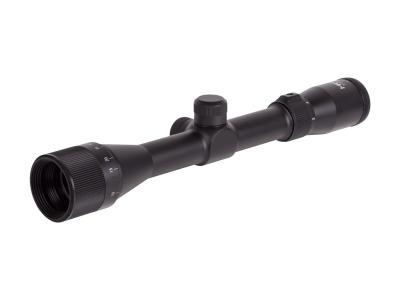
Get FREE shipping on qualifying orders! Reach your tier's spend threshold to unlock free ground shipping on items sold & shipped by Pyramyd AIR within the contiguous US. Certain restrictions apply.
Free shipping may not be combined with a coupon unless stated otherwise.
View Shipping Info
During busy holidays, we step our efforts to ship all orders as fast as possible, but you may experience an additional 1-2 day delay before your order ships. This may also happen if you change your order during processing.
View Shipping Times
U.S. federal law requires that all airsoft products be sold with a 1/4-inch blaze orange muzzle or an orange flash hider to avoid being mistaken for regulated products.
View Shipping Restrictions
We can test and adjust your equipment in our Pro Shop before shipping, so you receive a product that's ready to perform right out of the box. We can even set up an optic or other equipment so you can get out shooting without the hassle. For bowhunters, our certified master bow technicians provide services such as assembly, optics zeroing, and full equipment setup, which can maximize the potential of your purchase.
By leveraging our expertise and precision, we ensure that your equipment is finely tuned to meet your specific needs and get you ready for your outdoor pursuits. So look out for our services when shopping for something new, and let our experts help you get the most from your outdoor adventures.
View Service Info
A warranty is provided by each manufacturer to ensure that your product is free of defect in both materials and workmanship.
View Warranty Details
If you need to return an item please read our return policy.
Learn About Returns
Get FREE shipping on qualifying orders! Reach your tier's spend threshold to unlock free ground shipping on items sold & shipped by Pyramyd AIR within the contiguous US. Certain restrictions apply.
Free shipping may not be combined with a coupon unless stated otherwise.
View Shipping Info
Text JOIN to 91256 and get $10 OFF Your Next $50+ Order!
* By providing your number above, you agree to receive recurring autodialed marketing text msgs (e.g. cart reminders) to the mobile number used at opt-in from Pyramyd AIR on 91256. Reply with birthday MM/DD/YYYY to verify legal age of 21+ in order to receive texts. Consent is not a condition of purchase. Msg frequency may vary. Msg & data rates may apply. Reply HELP for help and STOP to cancel. See Terms and Conditions & Privacy Policy.
Apr 18, 2026
By James
Every thing it is a great gun
Things I Would Have ChangedNothing